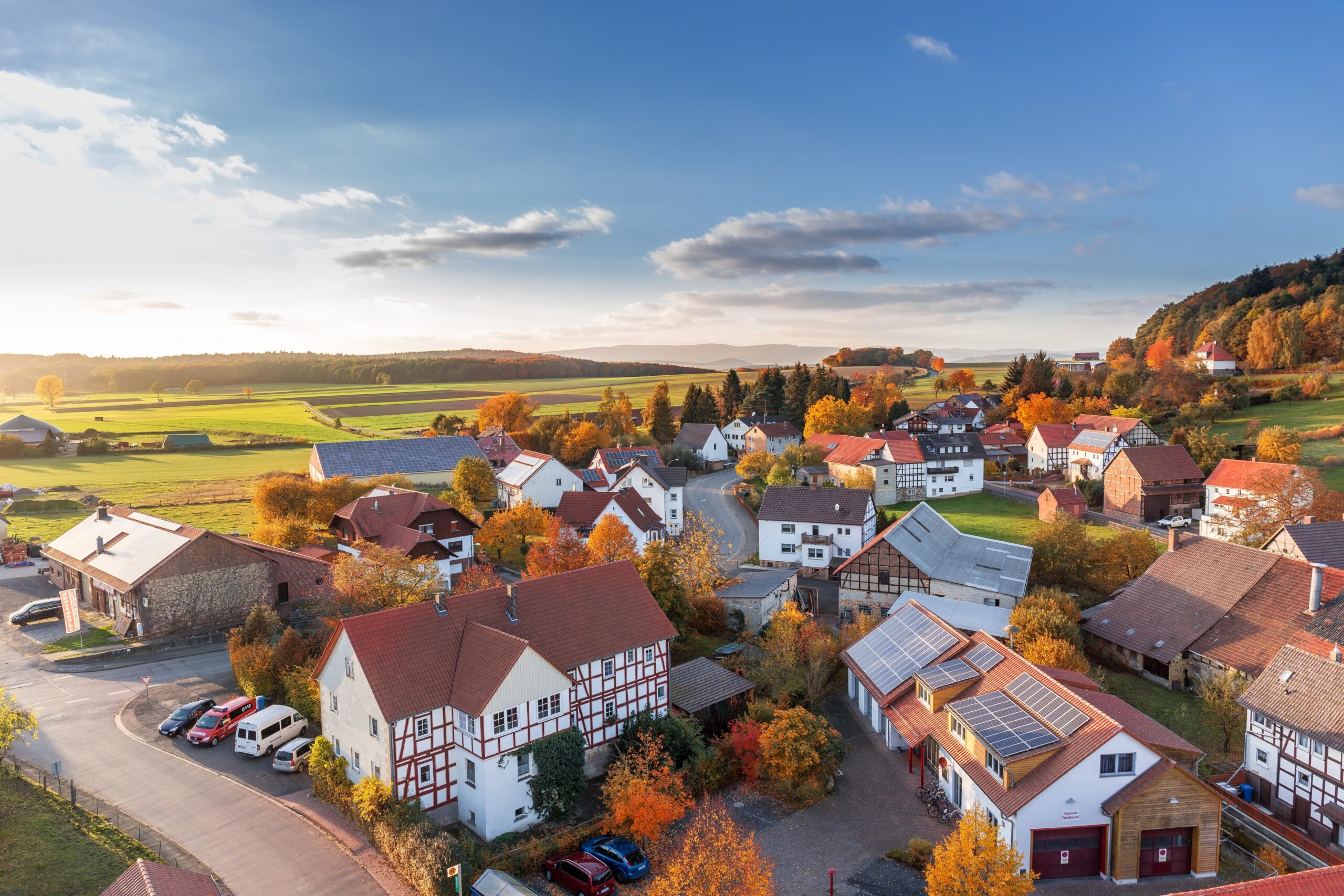
Across Europe, stories of luck, fate, and fortune have shaped cultures for centuries. From ancient talismans to royal gambling halls, the belief in destiny still influences how people approach games of chance today. For modern players seeking trustworthy platforms, expert-driven resources like casino review sites provide in-depth analysis of licensed operators, bonuses, and security standards—bridging the old legends of fortune with today’s regulated online gaming environment.
Europe’s mystical geography is rich with tales of enchanted forests, prophetic dreams, and miraculous wins. These stories have not disappeared; instead, they have evolved into a modern fascination with casinos—both land-based and online—where the concept of luck continues to thrive in new forms.
The Mythology of Luck in European Tradition
Celtic Charms and Nordic Fate
In Celtic lands, four-leaf clovers symbolized rare fortune, while ancient druids believed certain stones carried protective energy. Meanwhile, in Nordic mythology, fate was woven by the Norns—three mystical beings who determined destiny itself. Luck was not random; it was guided by unseen forces.
Even today, many players carry symbolic rituals into the casino world:
- Wearing a “lucky” color or accessory
- Playing at specific times believed to be fortunate
- Choosing numbers tied to personal memories
- Repeating certain habits before placing a bet
While modern probability theory explains randomness differently, psychological comfort in rituals remains powerful.
Mediterranean Superstitions
In Italy and Spain, gestures against the “evil eye” were common among gamblers. Coins were sometimes blessed before wagering. The idea that fortune could be invited—or protected—created a unique relationship between belief and risk.
This fusion of mythology and gaming laid the groundwork for Europe’s casino culture, where architecture, atmosphere, and symbolism often reflect grandeur and mysticism.
Hungary: Where Tradition Meets Modern Gaming
Hungary offers a fascinating blend of historic charm and regulated casino entertainment. Budapest, often called the “Paris of the East,” is home to several prominent land-based casinos that attract both locals and international visitors.
Among the most popular land-based venues are:
- Las Vegas Casino Corvin – Known for its central location and elegant interior.
- Las Vegas Casino Atlantis – A modern venue with a wide selection of slot machines and table games.
- Las Vegas Casino Sofitel – Overlooking the Danube, combining luxury hospitality with gaming excitement.
- Tropicana Casino – One of Budapest’s long-standing casino destinations near the riverfront.
- Grand Casino – A respected name connected to both land-based and online operations.
These venues often reflect a luxurious European style, blending historical architecture with contemporary gaming technology. Walking into one of these casinos can feel almost theatrical—crystal chandeliers, velvet interiors, and the rhythmic sound of slot machines create an atmosphere that echoes Europe’s romanticized view of fortune.
Regulation and Trust in Hungary
Unlike the mystical uncertainty of ancient legends, modern Hungarian gambling operates under strict regulatory oversight. The SZTFH (Regulated Activities Authority) supervises licensed operators, ensuring fairness, player protection, and compliance with national laws.
This regulated framework has strengthened the country’s online casino sector as well.
Hungarian national online casinos include:
- Vegas.hu
- Grand Casino (online platform)
- Kaszino.hu
- Xcasino.hu
These platforms operate under Hungarian licensing rules, offering legal and secure gaming experiences for residents. The presence of SZTFH oversight provides transparency—something medieval gamblers could only dream of.
Mystical Europe’s Influence on Casino Aesthetics
Architecture Inspired by Fortune
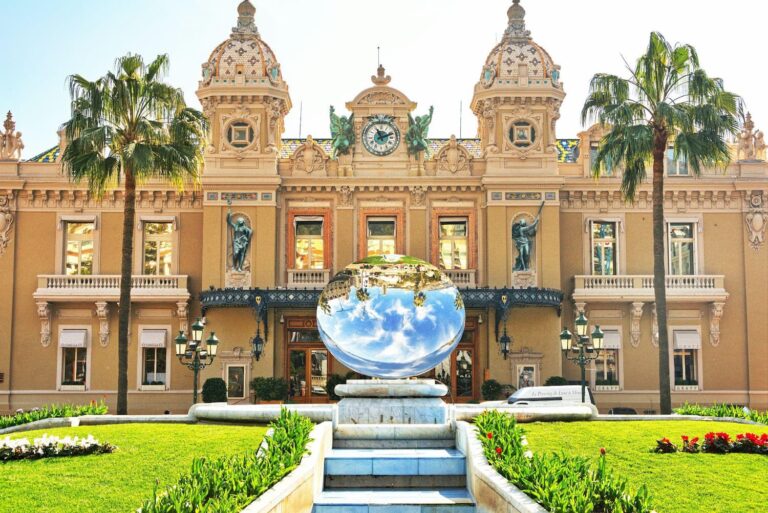
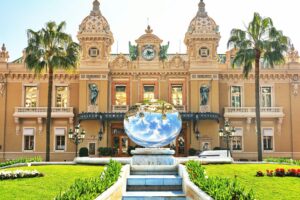
Many European casinos were designed to reflect grandeur and symbolic wealth. The Monte Carlo Casino in Monaco, for example, was built to evoke aristocratic splendor, reinforcing the idea that fortune favors the bold.
Hungary’s casinos, particularly Las Vegas Casino Sofitel and Atlantis, combine elegance with modernity. Interior designs often include:
- Gold accents symbolizing prosperity
- Deep red tones associated with passion and luck
- Mirrors and lights that amplify the sense of abundance
- Ornamental patterns inspired by classical European motifs
These elements subtly connect players to centuries-old ideas about wealth and destiny.
Online Casinos: A Digital Evolution of Ancient Beliefs
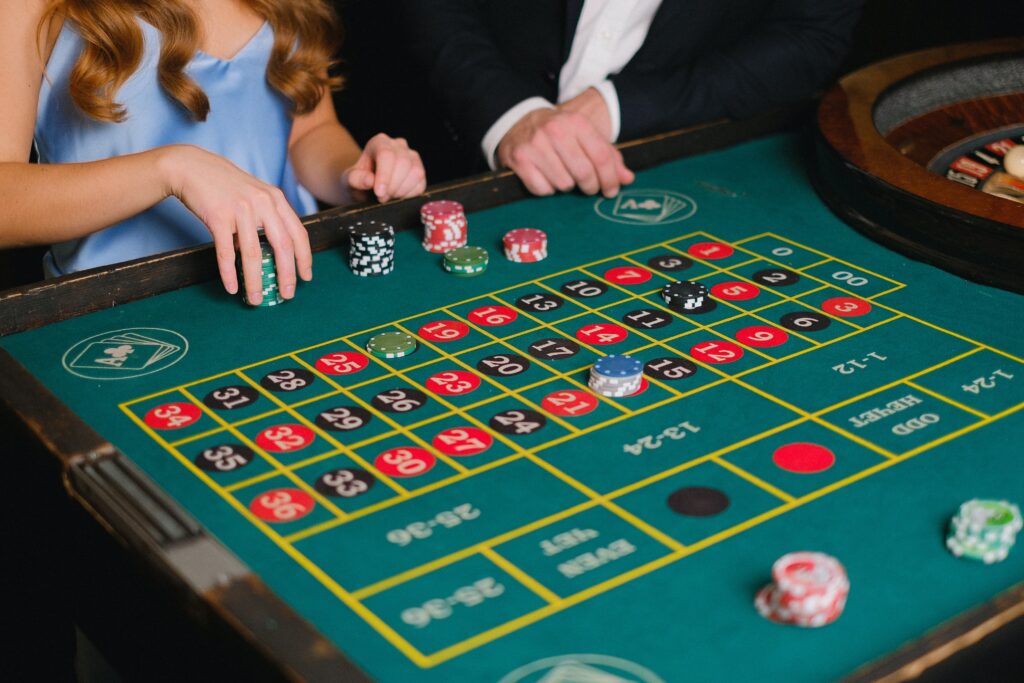
While medieval Europe relied on talismans and divine intervention, today’s players rely on technology. Online casinos use Random Number Generators (RNGs) to ensure fairness, replacing superstition with algorithms.
Yet, psychologically, the thrill remains the same.
Online platforms such as Vegas.hu or Xcasino.hu incorporate immersive design, live dealer experiences, and interactive features that recreate the atmosphere of physical casinos. The sense of anticipation—the spinning roulette wheel or the final card reveal—still carries echoes of ancient fortune-telling rituals.
Why Online Gaming Appeals to Modern Players
There are several reasons online casinos have become so popular across Europe:
- Accessibility from home or mobile devices
- Regulated environments with verified security
- Attractive welcome bonuses and loyalty programs
- Live dealer games replicating land-based experiences
- Faster transactions and diverse payment options
In Hungary, regulation by SZTFH ensures that licensed online casinos meet compliance standards, including responsible gaming measures and transparent payout structures.
The Psychology of Luck: Ancient Myths vs. Modern Probability
Throughout Europe’s mystical history, luck was often perceived as a spiritual force. Today, mathematics defines probability. However, the emotional experience of gambling bridges both worlds.
Players still speak of “hot streaks” or “cold tables,” even though outcomes are statistically independent. This illustrates how deeply cultural narratives influence perception.
The blend of:
- Historical symbolism
- Regulated gaming frameworks
- Technological innovation
- Personal belief systems
creates a uniquely European gambling identity.
Hungary exemplifies this duality perfectly. Land-based establishments like Las Vegas Casino Corvin and Tropicana Casino maintain a tangible, atmospheric connection to classic casino culture. Meanwhile, regulated platforms such as Kaszino.hu and Grand Casino online represent the digital transformation of the same tradition.
Responsible Gaming: A Modern Form of Wisdom
Ancient European folklore often warned against excess and greed. Myths frequently portrayed fortune as fleeting—rewarding the wise and punishing recklessness.
Modern regulators echo this philosophy through responsible gaming policies. Under SZTFH supervision, Hungarian operators must provide tools such as:
- Deposit limits
- Self-exclusion options
- Reality checks
- Access to support resources
In this way, today’s regulated environment aligns surprisingly well with historical moral teachings about balance and self-control.
Conclusion: From Enchanted Forests to Encrypted Platforms
Europe’s mystical routes—woven with legends of fate, enchanted objects, and divine fortune—have not vanished. They have transformed.
From Celtic charms to Budapest’s elegant casino halls, and from Mediterranean superstitions to encrypted online platforms like Vegas.hu and Xcasino.hu, the concept of luck continues to evolve. Hungary stands as a prime example of how historical atmosphere and modern regulation coexist, with respected venues such as Las Vegas Casino Atlantis and Grand Casino operating alongside nationally licensed online platforms under SZTFH oversight.
In the end, whether in a candle-lit medieval tavern or behind a secure digital interface, the human fascination with chance remains unchanged. Luck, after all, is as much about belief as it is about numbers—and Europe’s mystical legacy ensures that the story of fortune is far from over.




+ There are no comments
Add yours