Some of Europe’s most beautiful small towns owe their grandeur to an unlikely source: the gaming hall. Long before mass tourism, casino resorts shaped entire skylines, drawing architects, aristocrats, and travelers to once-quiet corners of the continent.
How Gaming Built a New Kind of Town
In the 19th century, a casino was rarely just a place to play. It was the centerpiece of a destination, surrounded by opera houses, promenades, and luxury hotels designed to keep wealthy visitors entertained for weeks at a time.
This created a distinct urban template. The gaming hall sat at the heart, and the town radiated outward from it — gardens, terraces, and grand boulevards all arranged to frame the main building and the social life around it.
The Resort as a Complete Experience
What made these towns endure was that the casino was only one ingredient. Visitors came for the waters, the concerts, the gardens, and the company as much as the tables. That blend of leisure and spectacle is exactly why these places still draw travelers who never intend to gamble at all.
The same instinct never faded — it just found new ground. Where these towns once relied on colonnades and chandeliers to set the mood, the focus today has shifted to what’s on offer: the variety, the speed, the small details that decide whether a visit feels worth it. You can see that same practical eye at work in modern reviews as https://pl.polskiesloty.com/beepbeep-casino-opinie/ which weigh those details much as a seasoned traveler once compared one spa town against the next.
Baden-Baden: The Grand Dame of Spa Towns
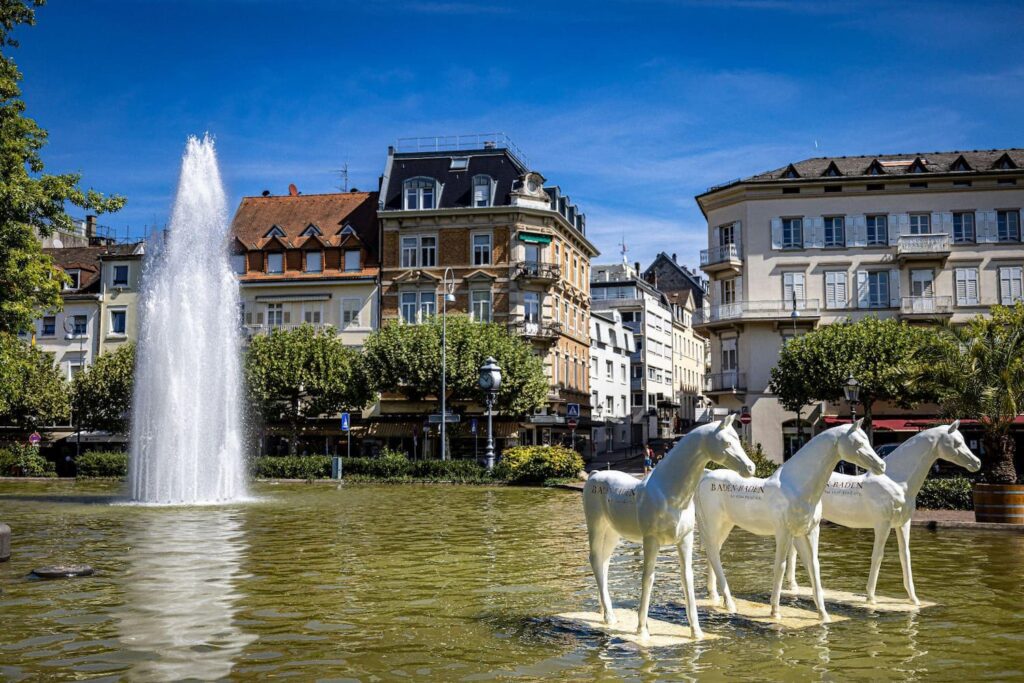
Tucked into Germany’s Black Forest, Baden-Baden married thermal springs with a gaming house to become one of Europe’s most fashionable retreats.
Thermal Waters Meet the Gaming Hall
The town’s Kurhaus, with its colonnaded façade and chandelier-lit salons, was designed to feel less like a casino and more like a palace. Travelers came to take the healing waters by day and gather in the ornate halls by evening, and the architecture reflected that dual purpose at every turn.
The result is a townscape of neoclassical elegance, where wide avenues and manicured parks lead the eye toward the grand central buildings. Walking it today feels like stepping into a 19th-century postcard.
Baden-Baden also drew the writers and composers of its age, and that cultural pull left its own mark on the streets — concert halls, reading rooms, and elegant cafés that still line the promenades. The town was designed as a stage for society, and every façade was meant to be admired as much as used.
Monte Carlo: Belle Époque Spectacle
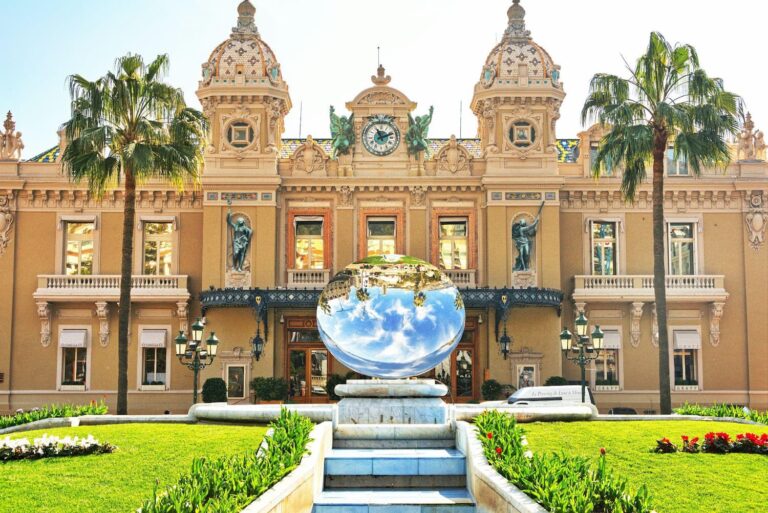
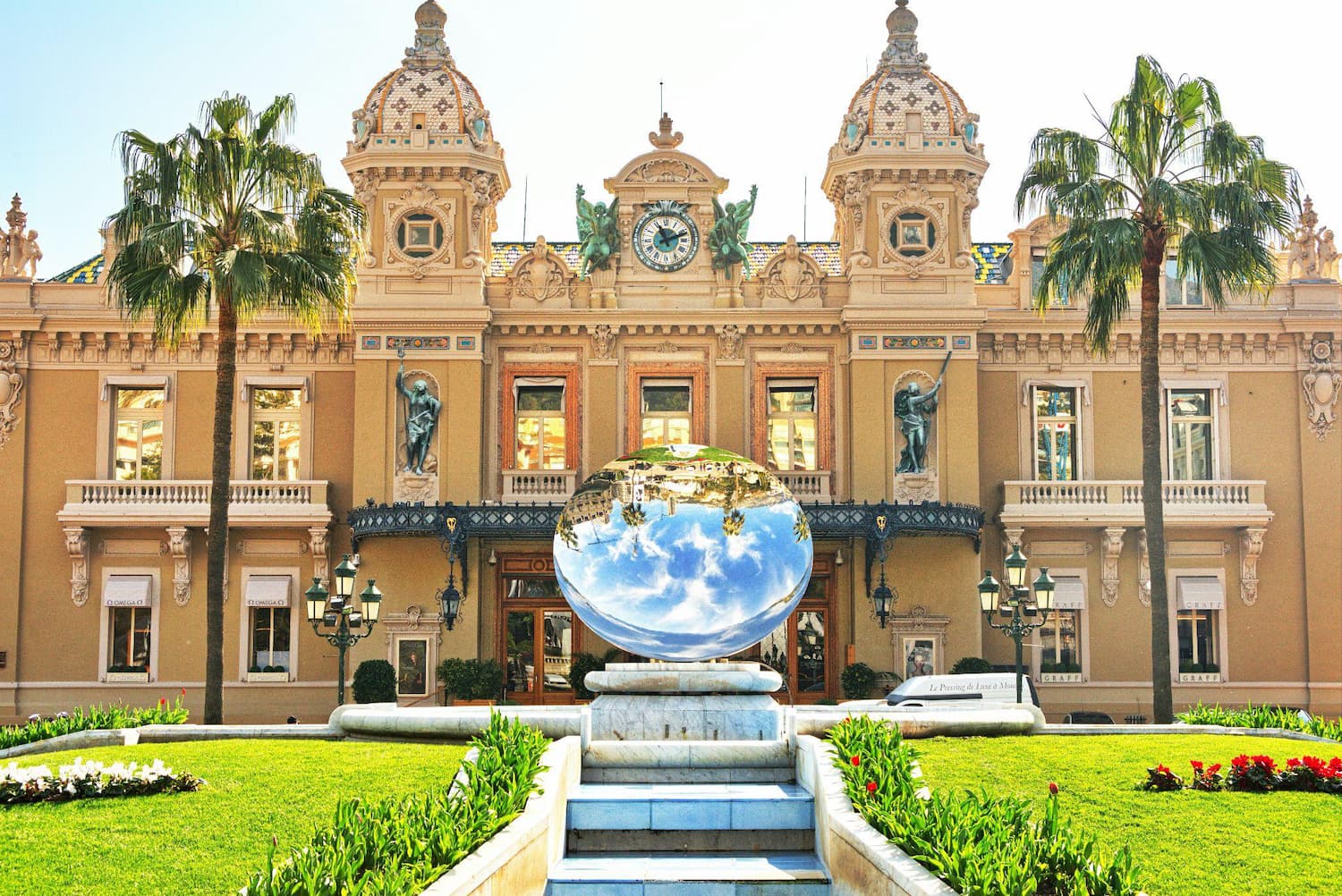
No town fused gaming and architecture more dramatically than Monte Carlo. Its famous casino, designed in the opulent Belle Époque style, turned a small Mediterranean principality into a global symbol of glamour.
Charles Garnier and the Grand Design
The building came from Charles Garnier, the architect behind the Paris Opera, and it shows — marble columns, gilded salons, and frescoed ceilings turned the act of play into pure theatre. The history and design of the Casino de Monte-Carlo reveal how deliberately the principality used architecture to attract Europe’s elite.
The casino anchored an entire district of luxury hotels and gardens, with the surrounding terraces offering sweeping views over the sea. For travelers, the appeal lies as much in the setting as in anything happening indoors.
What These Towns Teach Modern Travelers
Casino resort towns are a reminder that architecture and tourism have always been intertwined — the grandeur was a marketing tool, built to draw visitors and keep them lingering.
That legacy makes these destinations ideal for travelers who love historic architecture. You can wander the salons, admire the craftsmanship, and absorb the atmosphere without placing a single bet — the buildings themselves are the attraction.
These towns also pioneered ideas that shaped modern tourism. The notion of a destination built entirely around leisure — where lodging, dining, culture, and entertainment were bundled into one polished experience — began in places like these. The integrated resort concept that defines so many travel hotspots today traces a direct line back to the 19th-century gaming town.
Conclusion
From the thermal elegance of Baden-Baden to the Belle Époque spectacle of Monte Carlo, casino resort towns shaped some of Europe’s most distinctive architecture. They were built to dazzle, and more than a century later they still do. Seek out the smaller examples too — towns like Spa in Belgium or Wiesbaden in Germany carry the same architectural DNA with far fewer crowds. For the modern traveler, they all offer a rare chance to walk through living monuments to a golden age of leisure — where every column and chandelier was designed to make an ordinary evening feel extraordinary.